

Key Points:
- Real signal measurements should guide antenna placement before installation begins.
- Building materials can change how cellular signals move between different areas.
- Site surveys should consider both technical limits and daily building activity.
- Cable routes and service access can influence the best antenna locations.
- Balanced RF design helps reduce weak zones and excessive signal overlap.
- Installation quality affects long-term signal strength and troubleshooting efficiency.
- Occupied properties require careful scheduling to reduce disruption during installation.
- Testing should confirm coverage under normal building conditions and user movement.
- Clear records make future repairs, adjustments, and renovations easier to manage.
San Antonio commercial buildings can look simple on a floor plan but behave very differently once radio signals move through them. Concrete walls, steel framing, coated glass, elevators, stairwells, and mechanical spaces can all weaken or redirect cellular coverage. That means the easiest place to mount an antenna is not always the place that gives the best result. Good planning starts by understanding where people work, where signals fail, and how the building is actually used.
Mounting locations also affect future service, cable routing, testing, and the amount of work needed after installation. A spot that is easy to reach during construction may become difficult once ceilings close or equipment is added. Commercial teams therefore need to look at signal behavior, access, power, pathways, and building operations together. When those details are considered early, the final design becomes easier to install, test, maintain, and adjust as the property changes.
Antenna Planning Starts with Real Signal Conditions
DAS antenna installation should begin with real signal measurements, not with a list of convenient ceiling locations. Technicians can check carrier strength, weak rooms, floor transitions, and areas where calls or mobile data become unstable. These readings help the design team understand where antennas are actually needed. They also reduce the chance of placing equipment in easy locations that do little to improve coverage in busy offices, garages, hallways, or other hard-to-reach spaces.
Building materials should be part of that review because they affect how signals travel. A concrete stair core may block coverage between floors, while metal equipment can create sharp changes inside the same area. Even glass can limit outside signal in certain buildings. By mapping these conditions first, teams can choose antenna locations that match real coverage problems instead of relying on a simple spacing pattern that may look neat but perform poorly after installation.
Site Surveys Guide Better Mounting Decisions
A DAS antenna system works best when the site survey covers more than signal strength alone. The team should inspect ceiling height, wall materials, cable routes, equipment rooms, and areas that may be difficult to access later. They should also note where staff, visitors, and mobile devices gather during busy periods. This gives the design team a clearer picture of both technical needs and practical limits before mounting positions are approved or installation work begins.
For example, a meeting floor may look well covered when empty but struggle when several rooms fill at the same time. A loading area may also need stronger support because staff rely on phones or mobile tools during every shift. These patterns matter when deciding where antennas should go. A useful survey connects signal readings with building activity, so the final placement supports real daily use rather than only the easiest installation path.
Cable Paths and Access Shape Antenna System Placement
A DAS antenna system also needs practical cable routes and service access. Antennas may perform well in a certain spot, but the location still has to connect safely to the rest of the system. Conduits, trays, risers, ceiling spaces, and telecom rooms all affect that route. Teams should check for blocked pathways, tight bends, crowded ceilings, and nearby building systems before approving a location that could create expensive rework during installation.
Future access matters just as much as the first installation. An antenna hidden above a hard ceiling or behind permanent equipment may be difficult to inspect, test, or replace later. A slightly different location may deliver similar coverage while making service much easier. In practice, this tradeoff can save hours during future maintenance. The strongest plan balances signal performance with practical access instead of choosing one and ignoring the other.
RF Design Matters More Than Mounting Convenience
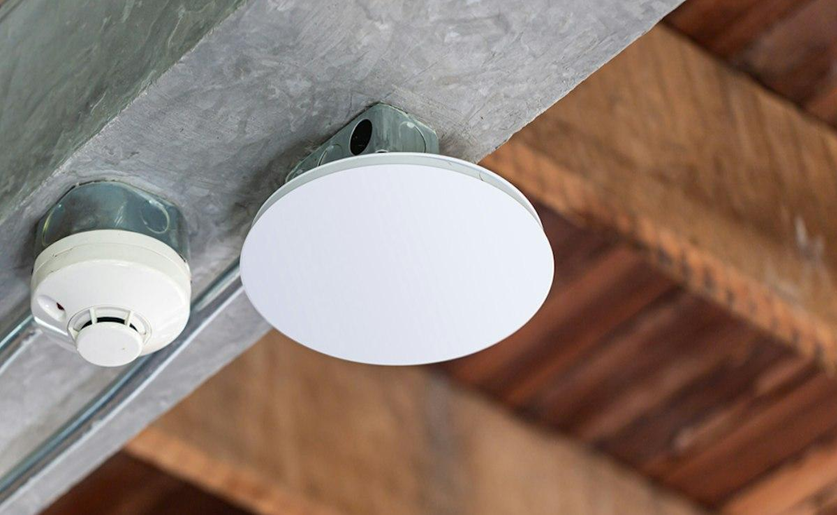
DAS antenna installation also depends on balanced RF design. Antennas placed too close together can create too much overlap, while units placed too far apart may leave weak zones between them. Designers review cable loss, antenna type, signal levels, and nearby coverage areas before deciding how each location should perform. This makes placement a technical decision rather than a convenience choice and helps keep calls and mobile data steady as users move through the property.
Good RF planning should also consider both receiving and sending signals. A phone may show strong coverage but still struggle to send voice or data back to the network. That can lead to failed calls, slow uploads, or unstable sessions. Balanced design gives technicians clear targets for each area. It also makes testing more useful because they can compare real readings with expected performance instead of judging success only by visible signal bars.
Installation Quality Protects Signal Performance
Even a strong design can lose value if the physical work is rushed. Loose connectors, damaged cable, sharp bends, poor labeling, or weak mounting can reduce performance and make later troubleshooting harder. Installers should follow approved routes, protect every cable run, and keep equipment clearly identified. Careful workmanship helps the planned signal level reach each antenna and lowers the chance of hidden faults that appear only when the building becomes busy.
Occupied properties add another layer of planning. Security rules, tenant schedules, ceiling access, and busy work areas can limit when crews can enter certain spaces. A clear sequence helps teams mount antennas, pull cable, test connections, and restore work areas with less disruption. Regular updates also help property managers prepare staff and open controlled spaces on time. This keeps the project moving without forcing rushed decisions simply because one mounting area is easier to reach.
Testing Confirms Coverage after Antennas are Mounted
Testing should confirm whether each antenna location works under real building conditions and normal daily use. Technicians can measure signal quality in offices, hallways, stairwells, garages, meeting rooms, and other important areas. They should also test movement between coverage zones because problems often appear while users are walking from one section to another. These checks may reveal weak areas, too much overlap, or settings that need adjustment before the project is closed.
Testing records also make future service easier. Floor plans, antenna locations, signal readings, equipment details, and final adjustments give property teams a clear baseline. If a renovation later changes coverage, technicians can compare new results with the original data and focus on the affected area. This reduces guesswork and avoids unnecessary changes to working equipment. It also helps owners understand whether a future problem comes from the system, the building, or changing user demand.
Conclusion
Antenna placement should never be based only on what is easiest to mount. Strong indoor coverage depends on signal conditions, RF design, building materials, cable routes, service access, installation quality, and final testing. When these parts are reviewed together, commercial teams can avoid weak zones, reduce rework, and make future service easier. The result is a more reliable in-building network that supports daily communication without creating unnecessary problems behind finished ceilings.
CMC Communications supports San Antonio commercial properties with DAS planning, engineering, installation, grid testing, and related wireless services. Their team can review building conditions, identify weak areas, plan practical antenna locations, and verify performance after installation. By combining signal data with real site access and future service needs, they help property teams build dependable indoor coverage while keeping projects easier to manage around active business operations, construction schedules, and long-term maintenance needs.
Frequently Asked Questions
Question: Why is the easiest antenna location not always the best location?
Answer: A convenient mounting spot may be easy for installers to reach but may not provide useful signal coverage. Building materials, nearby antennas, room use, and cable loss all affect performance. Testing and RF planning help teams choose locations that balance good coverage with practical installation and future service access.
Question: What should a site survey check before antenna locations are chosen?
Answer: A survey should review indoor and outdoor signal levels, weak rooms, building materials, ceiling access, cable routes, equipment spaces, and busy areas. It should also consider how people move through the property. These details help the design team choose locations based on real conditions instead of simple floor-plan estimates.
Question: Can placing more antennas automatically improve indoor coverage?
Answer: Not always. Too many antennas placed too close together can create unnecessary overlap, while poor spacing may still leave weak areas. The correct number depends on the building layout, signal conditions, antenna type, and coverage goals. Careful RF design helps determine where each antenna will provide useful support.
Question: Why does future service access matter when choosing locations?
Answer: Antennas and connections may need testing, adjustment, repair, or replacement later. Equipment placed above hard ceilings or behind permanent building systems can make that work slow and expensive. Choosing accessible locations during the first installation can reduce future disruption while still supporting the required indoor signal performance.
Question: When should antenna performance be tested again?
Answer: Retesting is useful after renovations, tenant changes, moved equipment, new walls, or a rise in coverage complaints. These changes can affect how signals travel inside the building. Comparing new readings with the original test results helps technicians identify the problem faster and avoid changing equipment that is still working correctly.
